Oplossingen voor problemen met de oppervlaktaansluiting bij de productie van kwartssteen met behulp van PVA-releasefilm
Begrijpen van de uitdagingen van de oppervlaktaansluiting bij de productie van kwartssteen
Bij de vervaardiging van kwartsstenen werkplaatsen is een zeer nauwkeurig giet- en gietproces vereist.oppervlaktaansluiting- wanneer vers gegoten platen aan malen of beschermende lagen kleven, waardoor er onevenwichtige afwerkingen, krassen of residuen ontstaan.Deze hechtingsproblemen kunnen de kwaliteit van het eindproduct in gevaar brengen en tot hogere afvalpercentages leiden.
Oppervlaktelijmen komt vooral voor inmassaproductie-instellingenIn het geval van een verwarring tussen de verschillende soorten, is de consistentie van de batches van cruciaal belang.Het nemen van effectieve schimmelvrijstellingsoplossingen is essentieel om de productie-efficiëntie en de productkwaliteit te behouden.
De rol van PVA-releasefilm bij het voorkomen van hechting
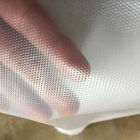
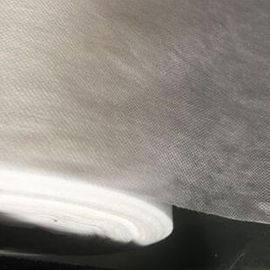
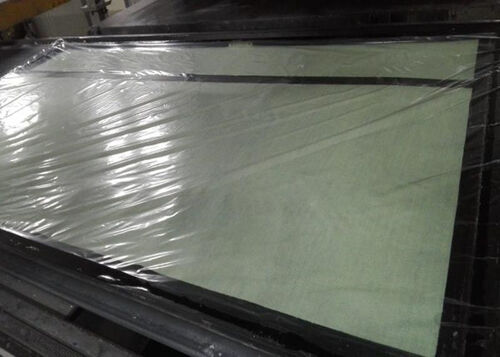
Polyvinylalcohol (PVA) loslaatfilms worden veel gebruikt in de steenindustrie vanwege hunniet-klevende eigenschappen en compatibiliteit met kwarts en bewerkte stenen oppervlakkenEen correct geselecteerde PVA-film kan het directe contact tussen de plaat en de vorm voorkomen, zodat het werkblad glad en foutvrij blijft.
Belangrijkste voordelen van het gebruik van PVA-release films zijn:
- Glanzige oppervlakte:Vermijdt schrammen en sporen tijdens het afbouwen.
- Afvoer zonder residuen:Vermindert de noodzaak van naverwerking of reiniging.
- Consistente kwaliteit van de plaat:Behoudt de uniformiteit van grote partijen.
- Gemakkelijk te hanteren:Vergemakkelijkt de opstelling van de malen en vermindert de arbeidsintensiteit.
Selectiegids: Het kiezen van de juiste PVA-releasefilm
Bij de keuze van een PVA-afvoerfolie voor de productie van kwartssteen moet rekening worden gehouden met de volgende parameters:
Filmdikte
De dikte varieert doorgaans van30 tot en met 50 micron. A38 micron film, zoals gebruikt in standaard industriële toepassingen, zorgt voor een evenwicht tussen flexibiliteit en duurzaamheid.dunnere films passen gemakkelijk aan, maar kunnen sneller slijten.
Rolgrootte en dekking
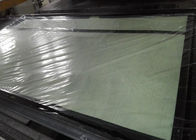
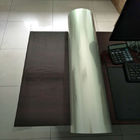
Standaardrol afmetingen, zoals:1870 mm × 1000 mVoor productielijnen die overgrote platen verwerken, is het mogelijk om grote stenen platen zonder naden te bedekken, wat de hechtingskwesties vermindert.ervoor zorgen dat de rolbreedte overeenkomt met de afmetingen van de malen om overlappende randen te voorkomen.
Verpakking en opslag
Industriële PVA-films worden vaak inhouten behuizingenmet een netto gewicht rond90 kgmet een brutogewicht tot en met123 kgEen goede opslag vermijdt vochtopname, wat de preventie van hechting in gevaar kan brengen.
Toepassing van beste praktijken
Om de werkzaamheid van PVA-aflosfolie te maximaliseren:
- Schone schimmeloppervlakken:Zorg ervoor dat de malen vrij zijn van puin en vroegere residuen.
- De film moet correct worden uitgelijnd:Verzacht luchtzakken en rimpels tijdens het aanbrengen.
- Controleer de omgevingsomstandigheden:Temperatuur en vochtigheid kunnen de hechting beïnvloeden; de bewerkingsomstandigheden dienovereenkomstig aanpassen.
- Verwijder voorzichtig:Verwijder de film onmiddellijk na demolding om te voorkomen dat er restjes aan kleven.
Inzichten en aanbevelingen van de industrie
De Spaanse en Europese kwartsstenenfabrikanten zijn steeds meer afhankelijk van PVA-vrijstellingsfolie voor de productie vanproductie van grote hoeveelheden aan tafelbordenDe bedrijven melden een verbeterde oppervlaktekwaliteit, minder gebreken en minder postverwerkingsarbeid.is van cruciaal belang voor optimale prestaties.
Conclusies
De oppervlaktafsluiting is een aanhoudende uitdaging bij de vervaardiging van kwartssteen-dekplaten, maarPVA-vrijstellende films bieden een betrouwbare oplossingDoor het begrijpen van de hechtingsmechanismen, het selecteren van de juiste filmdikte en -afmetingen en het toepassen van beste praktijken kunnen fabrikanten ervoor zorgen datgladde, hoogwaardige oppervlakkenVoor de Spaanse producenten is de invoering van gestandaardiseerde PVA-vrijstellingsfilms in overeenstemming met de benchmarks van de industrie voor efficiëntie en productkwaliteit.


 Uw bericht moet tussen de 20-3.000 tekens bevatten!